
Exposure Visit to Umerkot PARC-AZRC
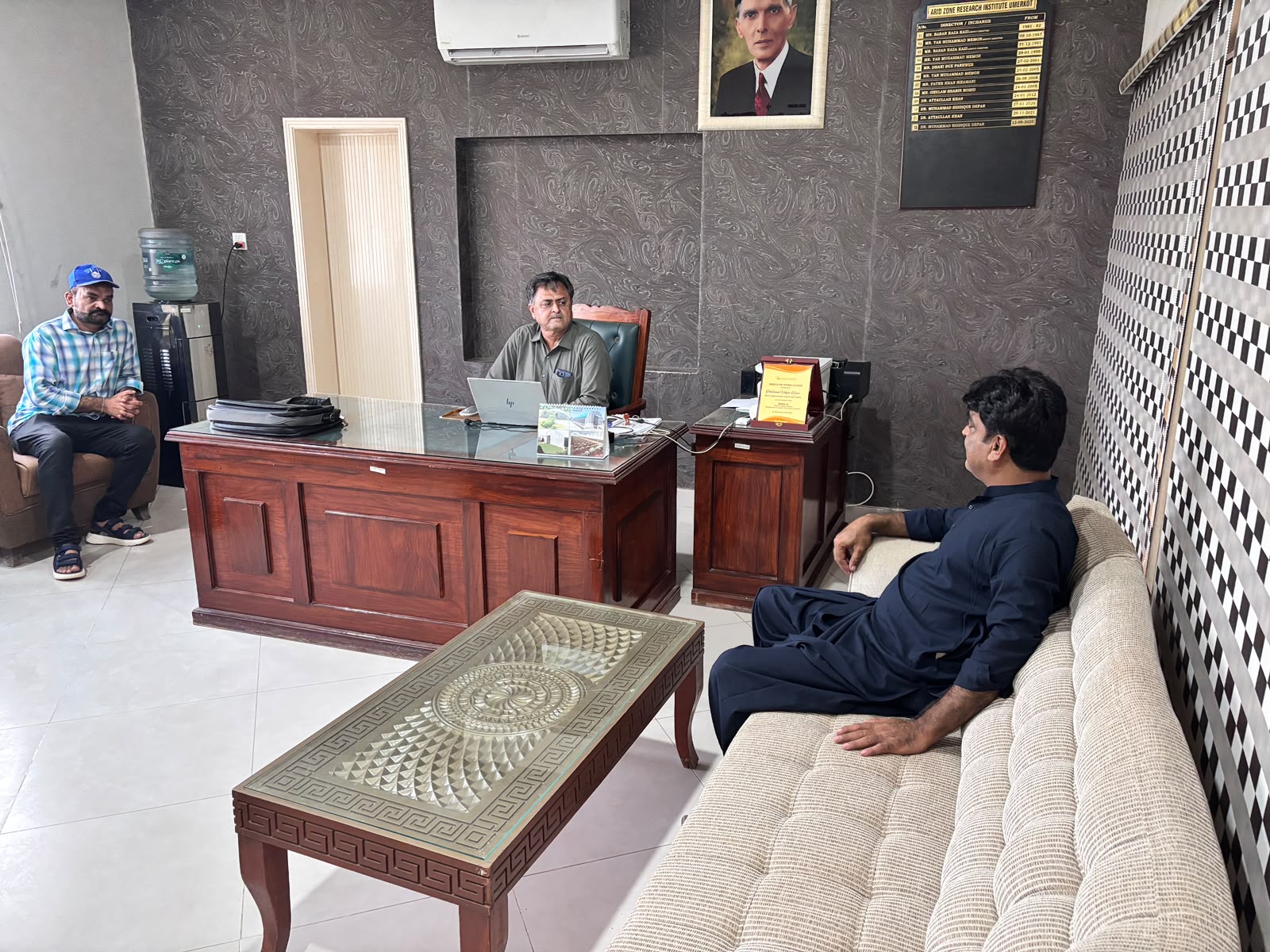
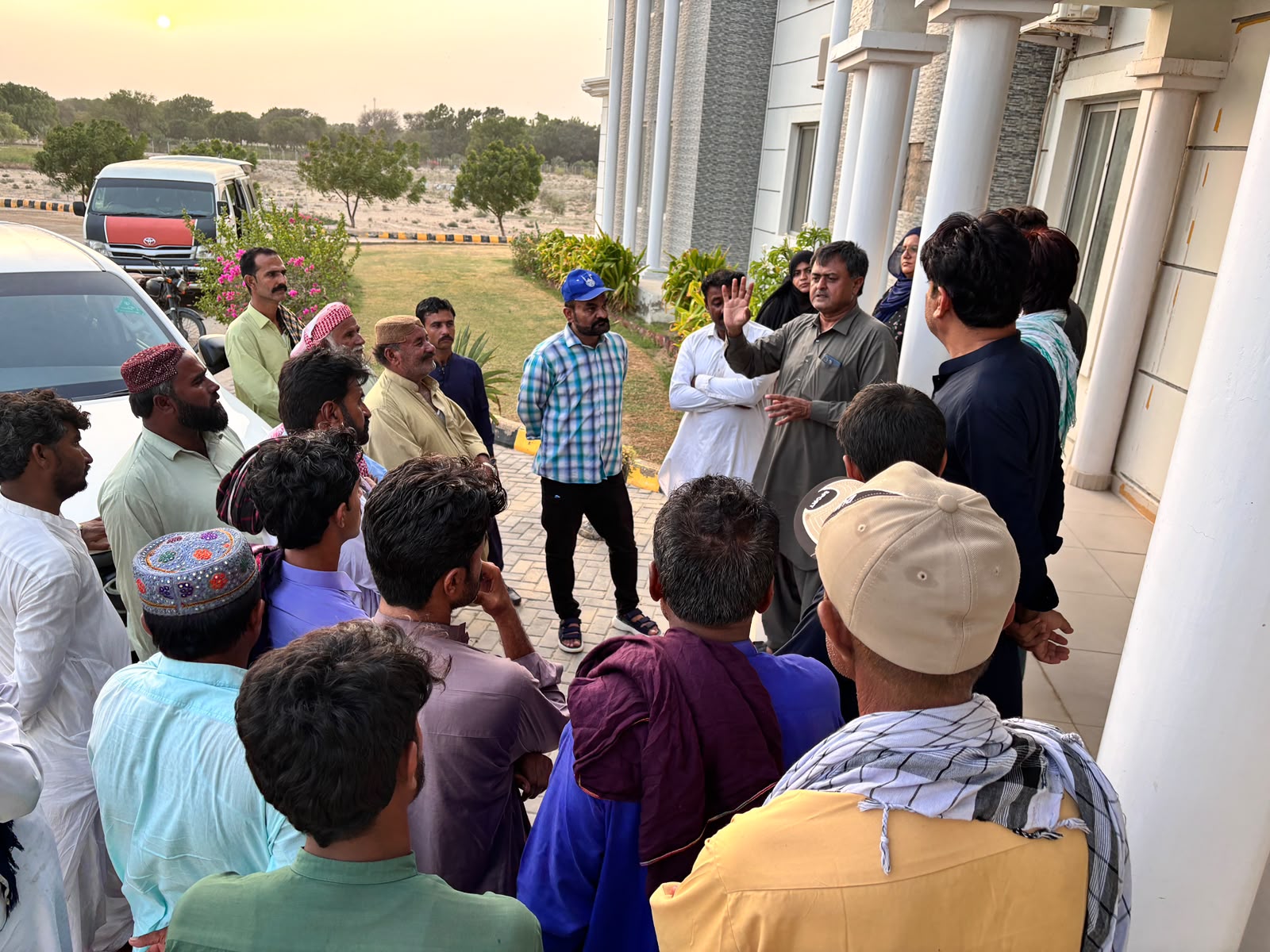
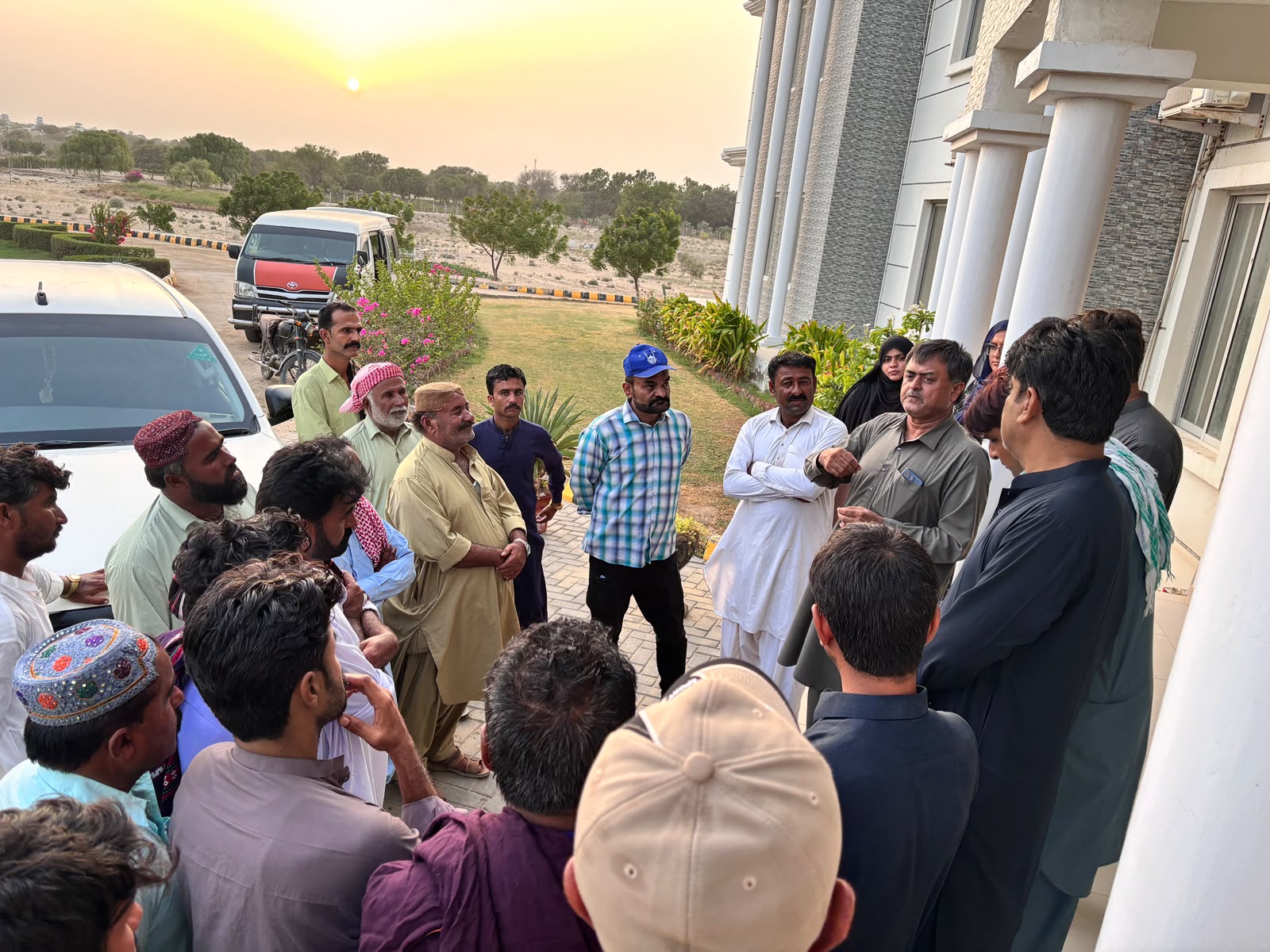
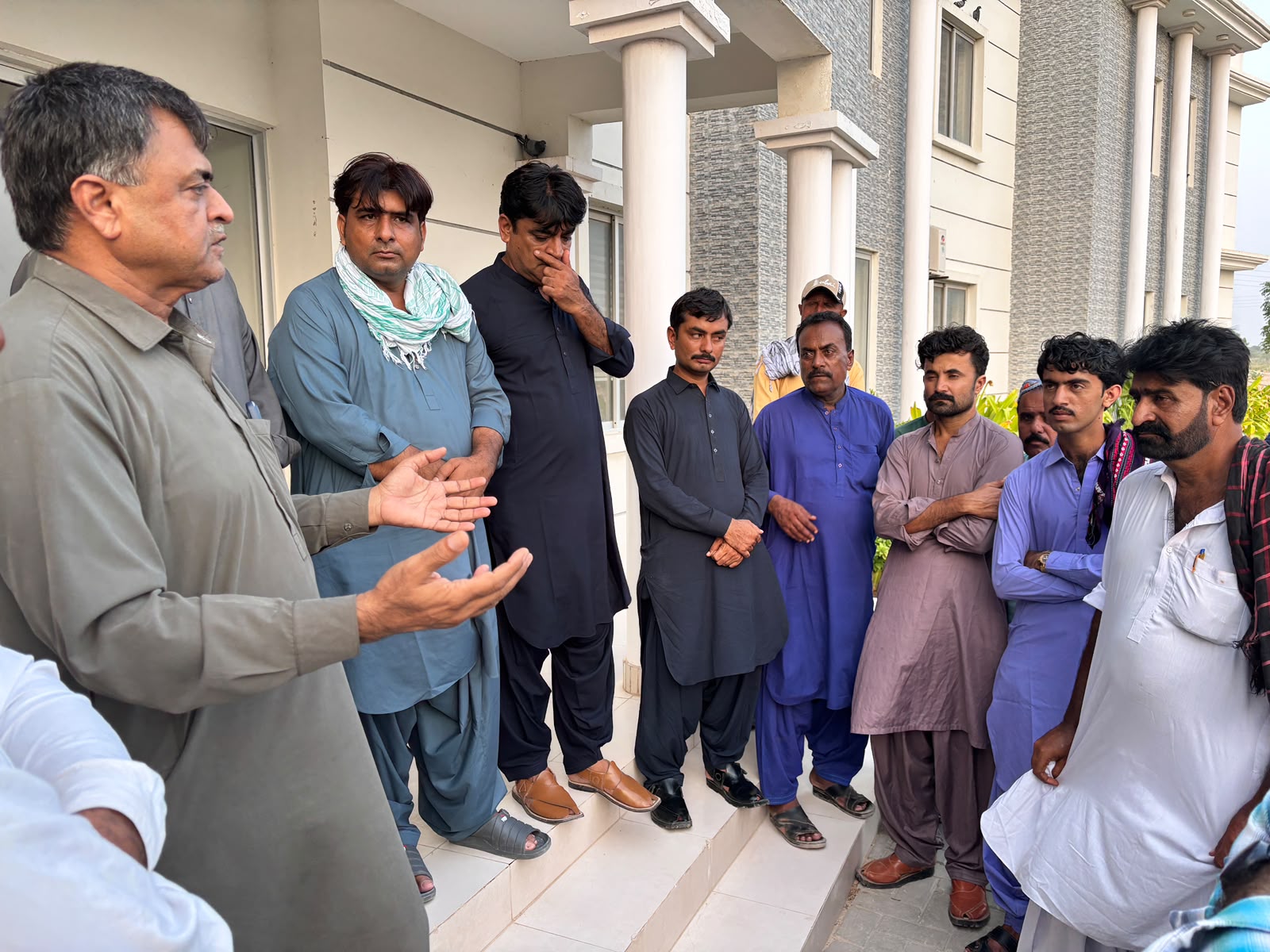
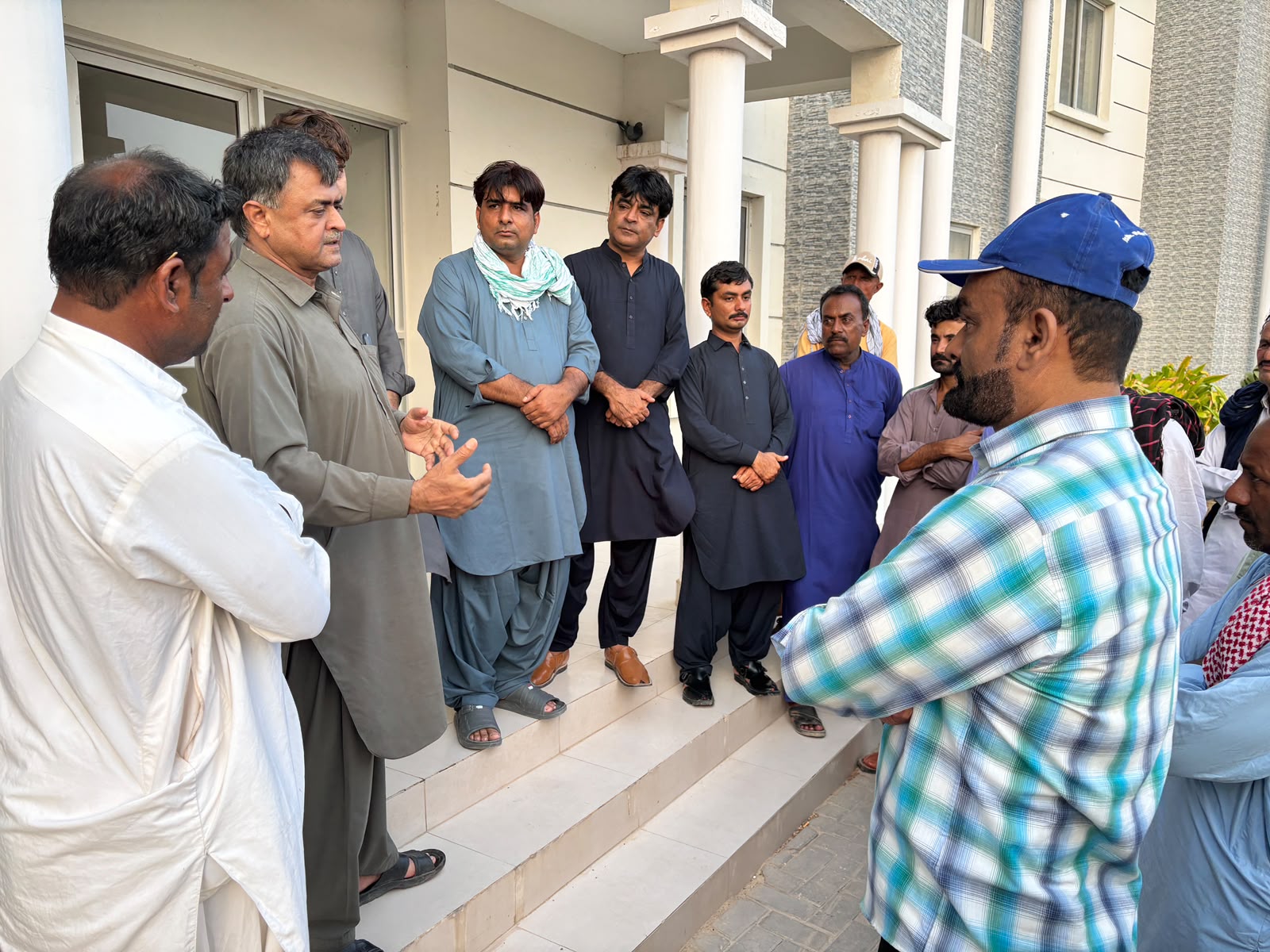
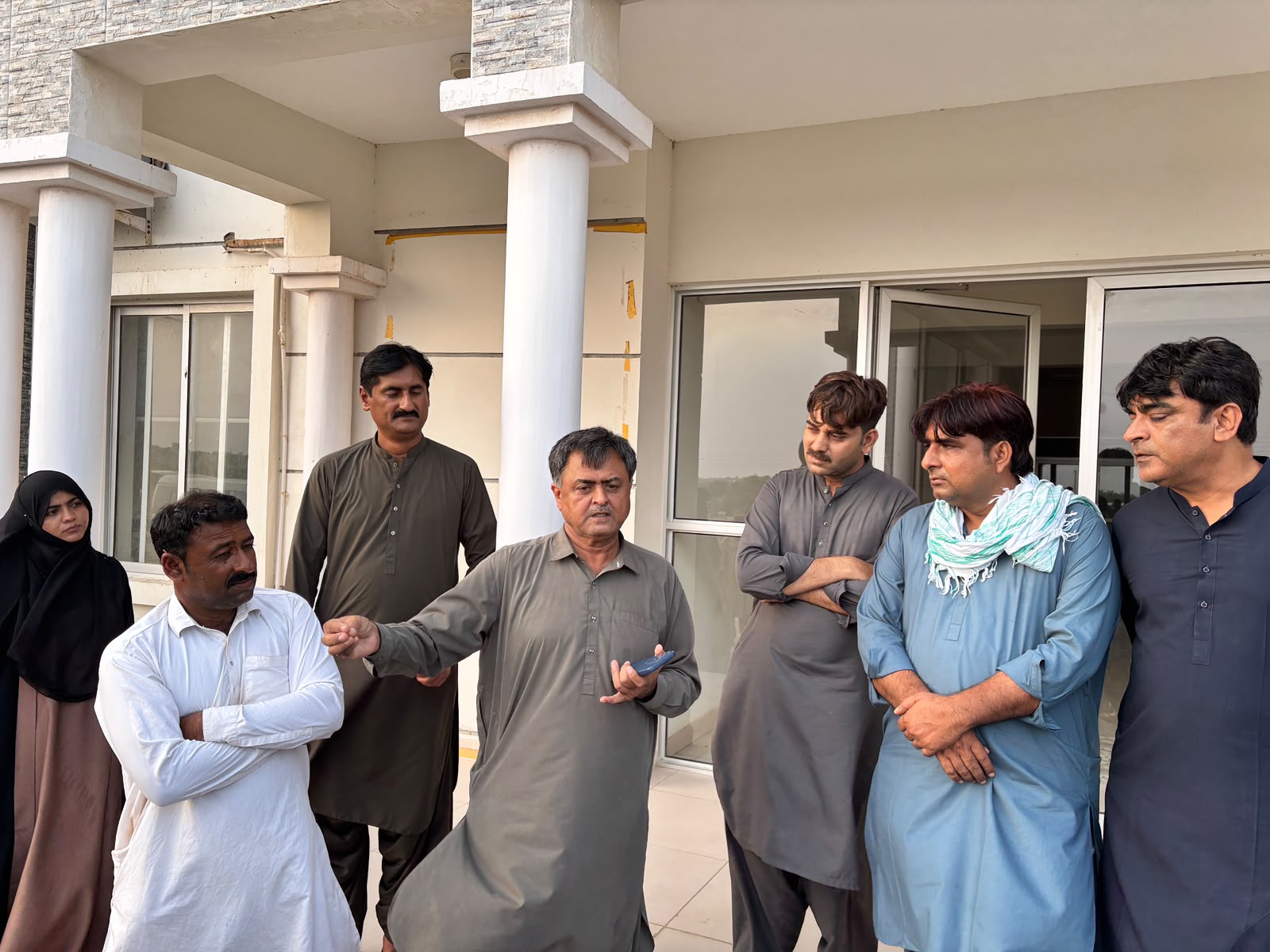
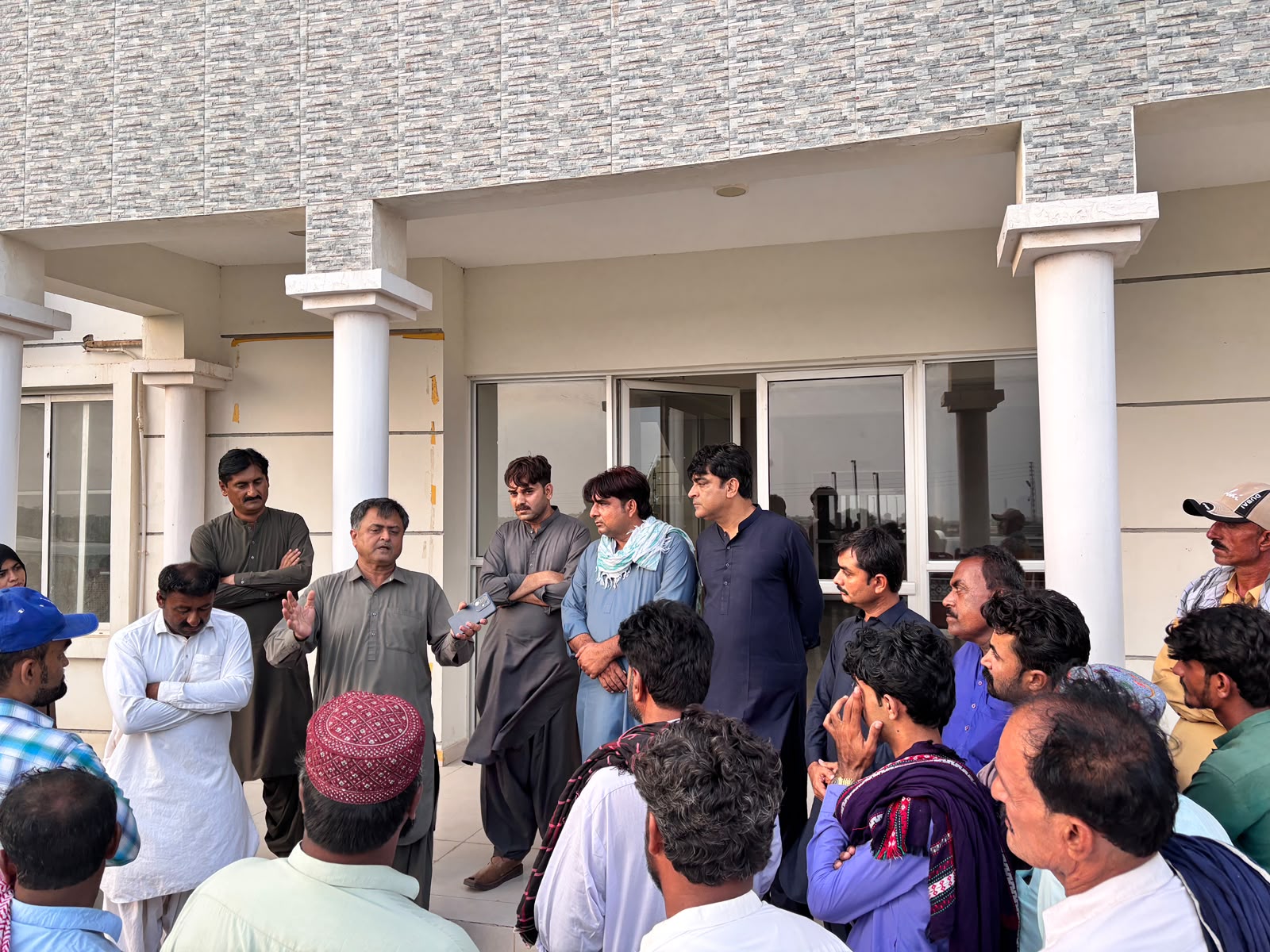
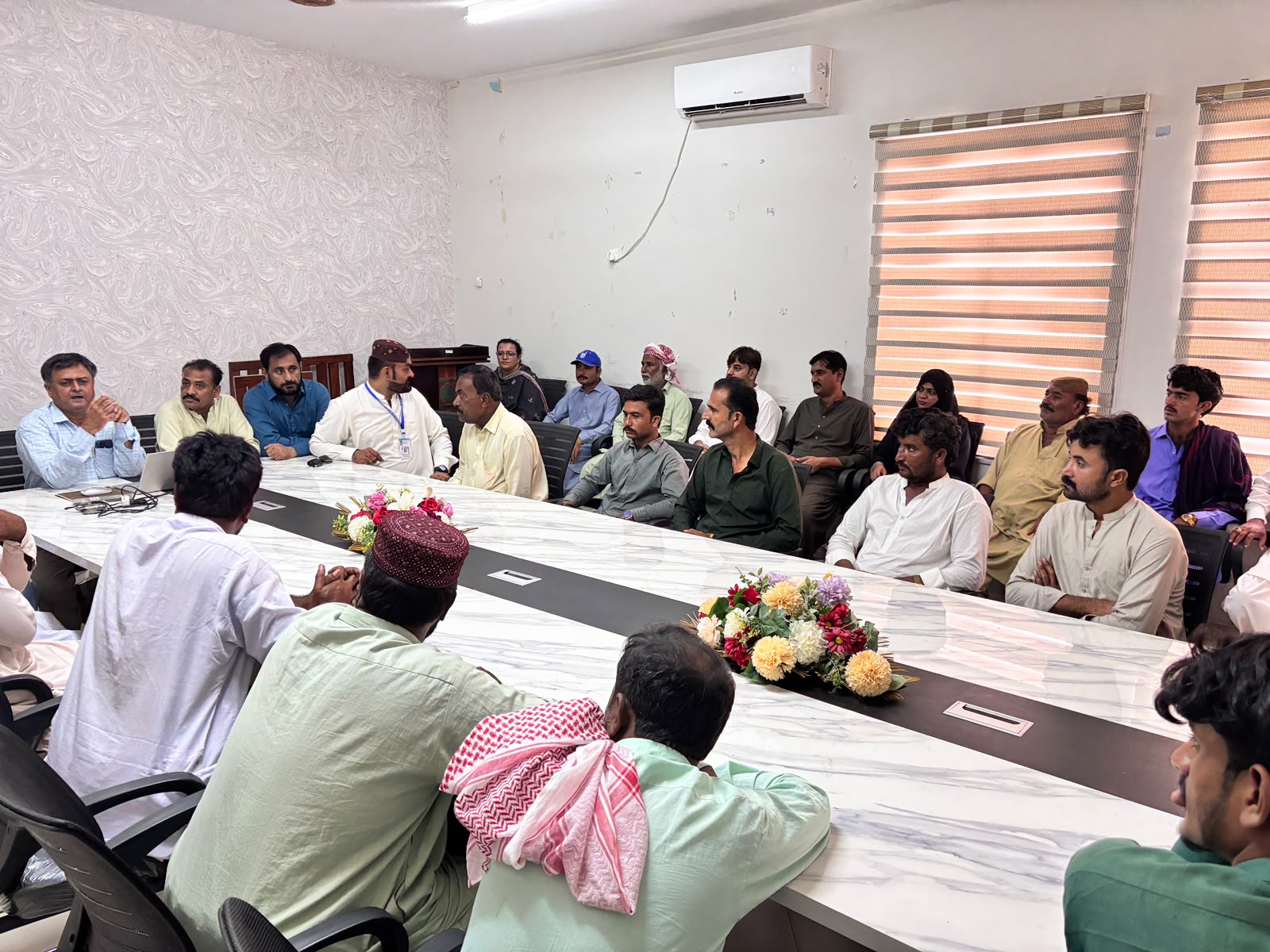
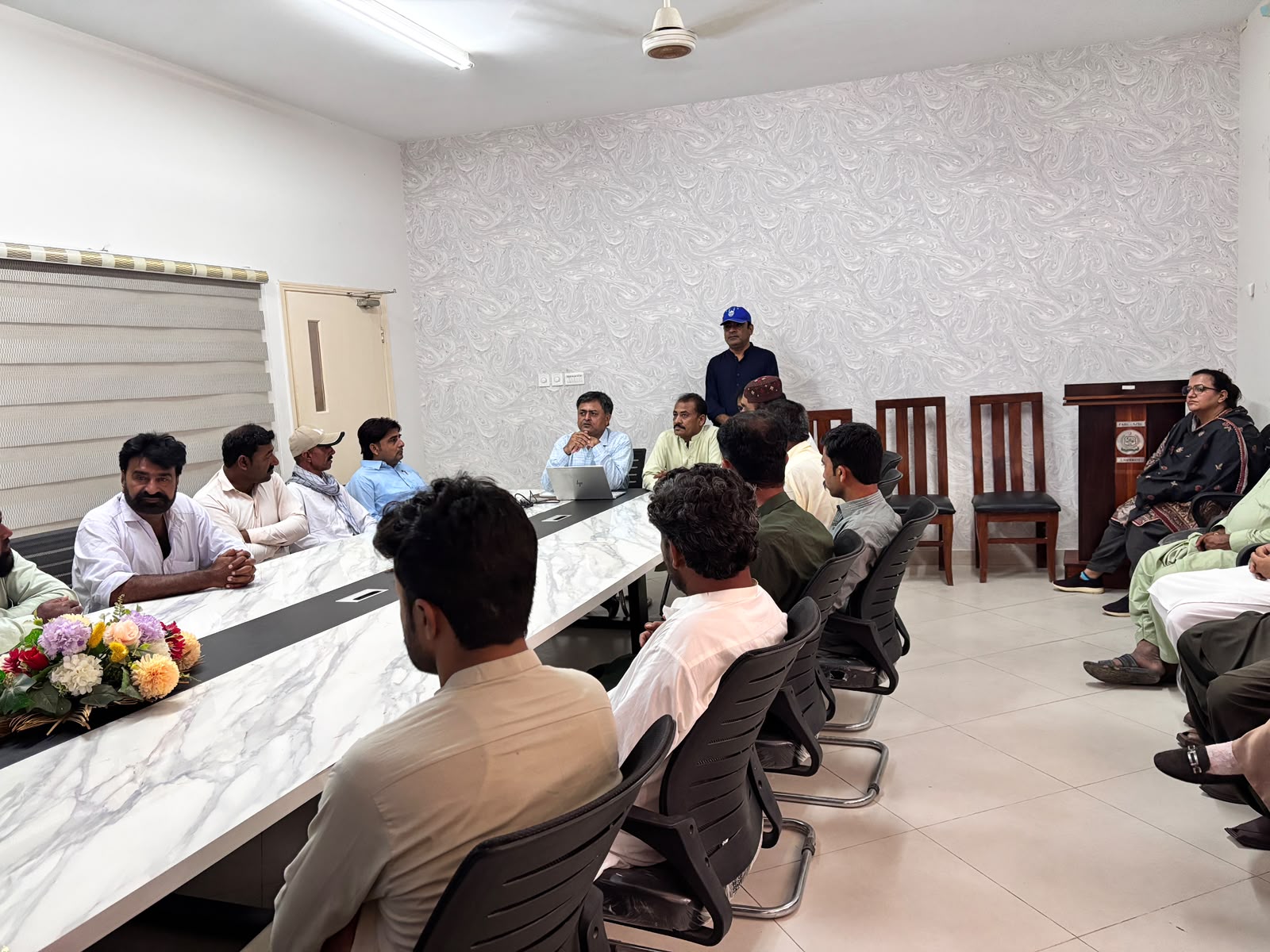
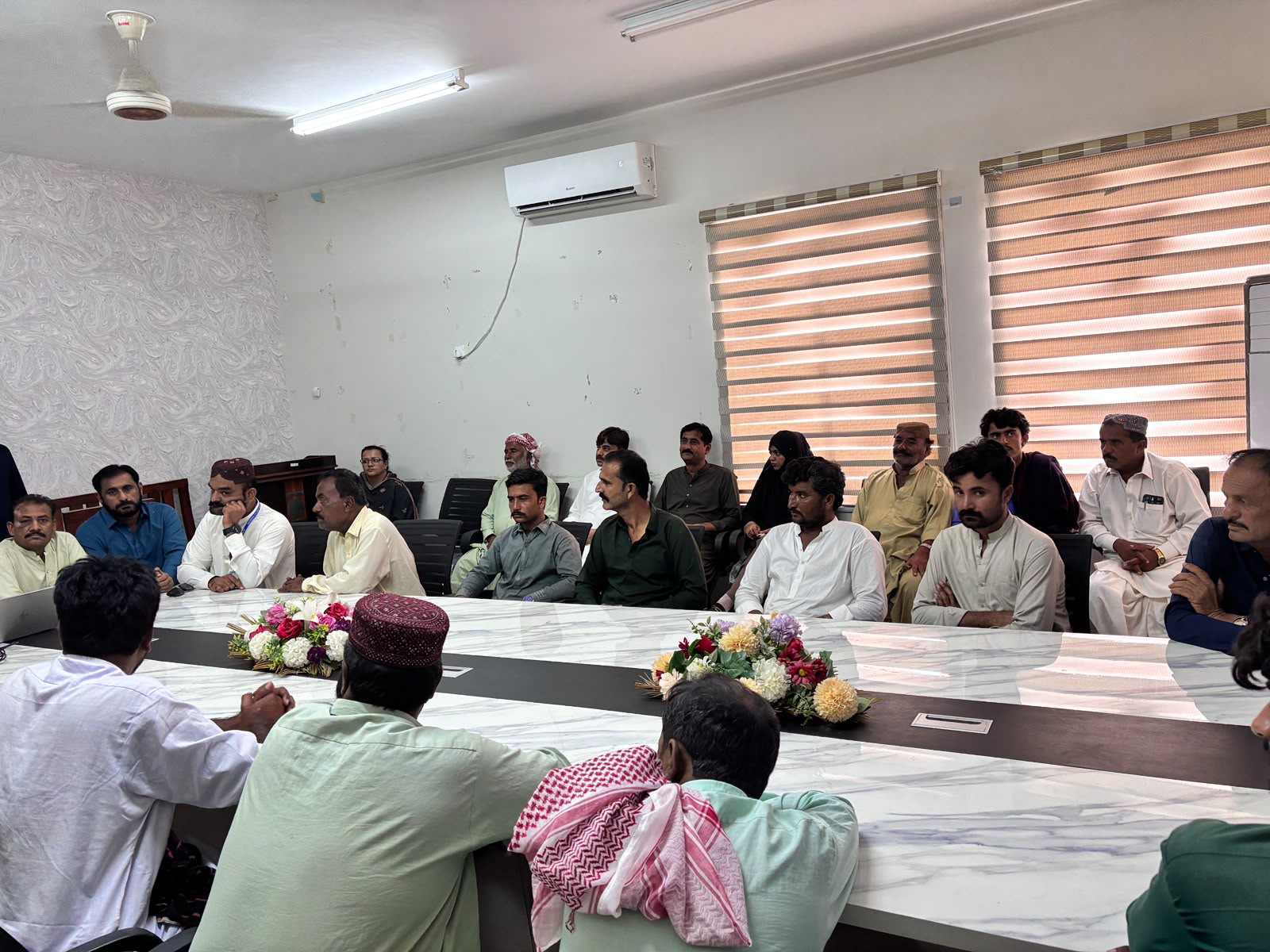
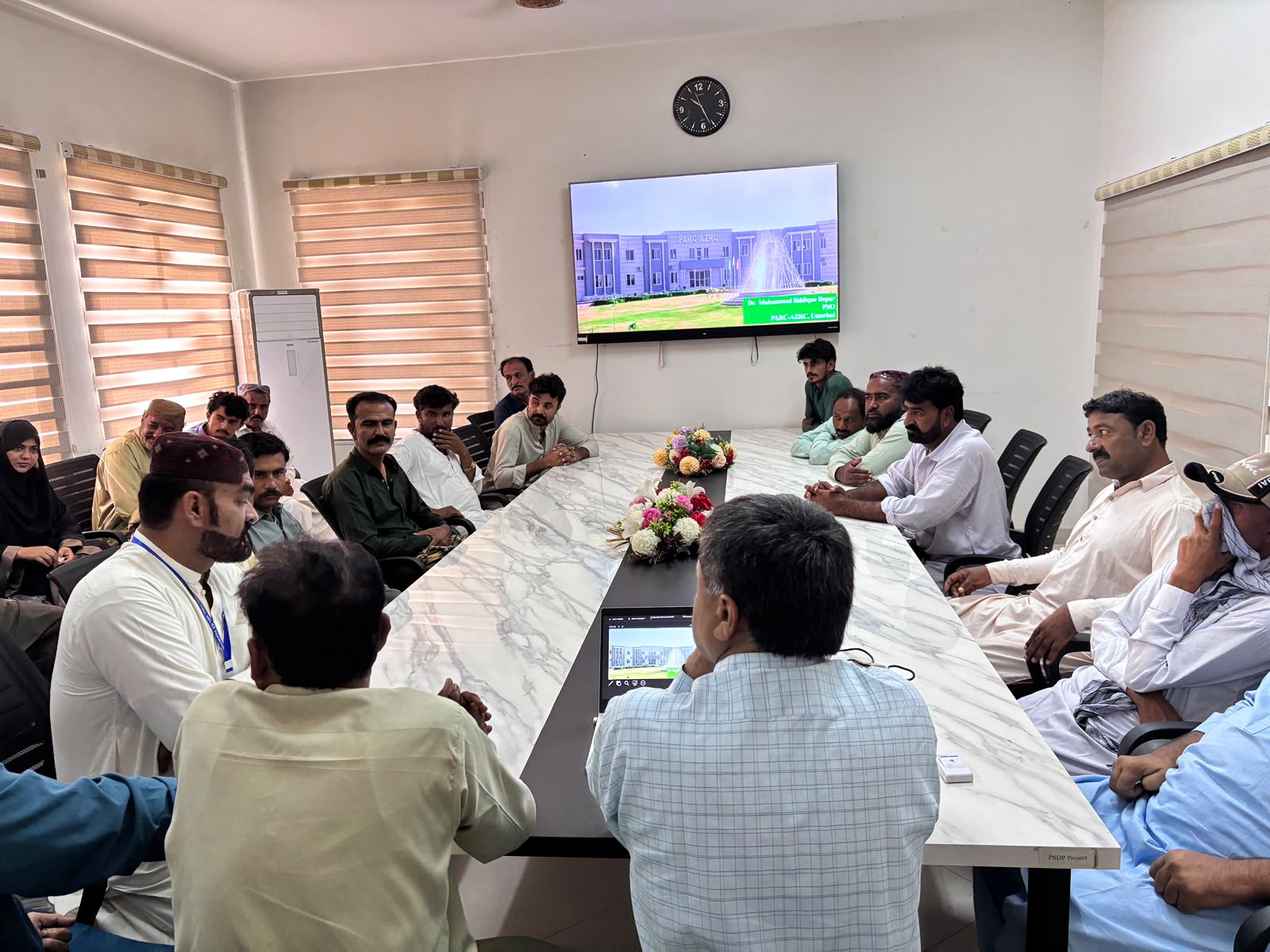
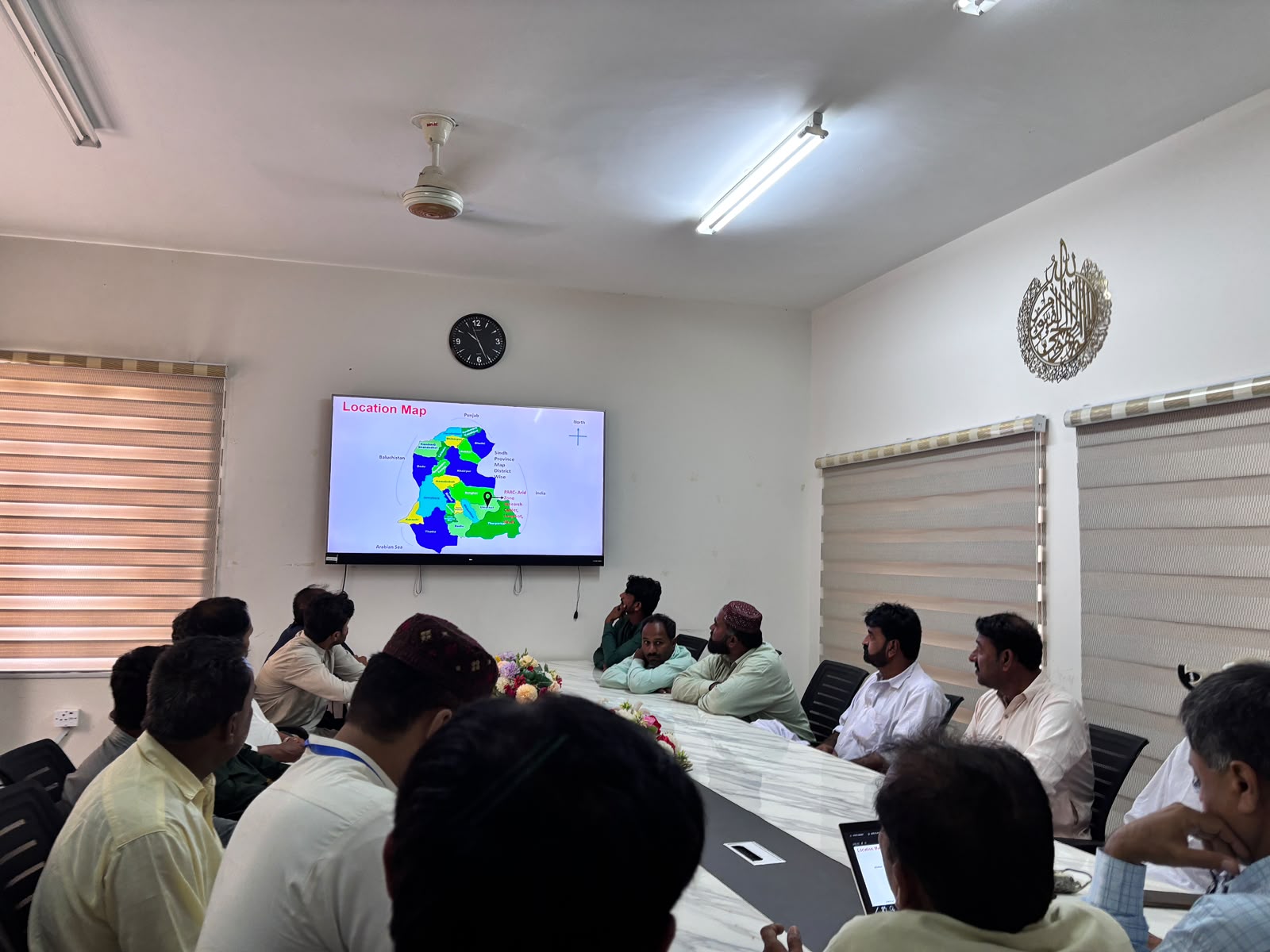
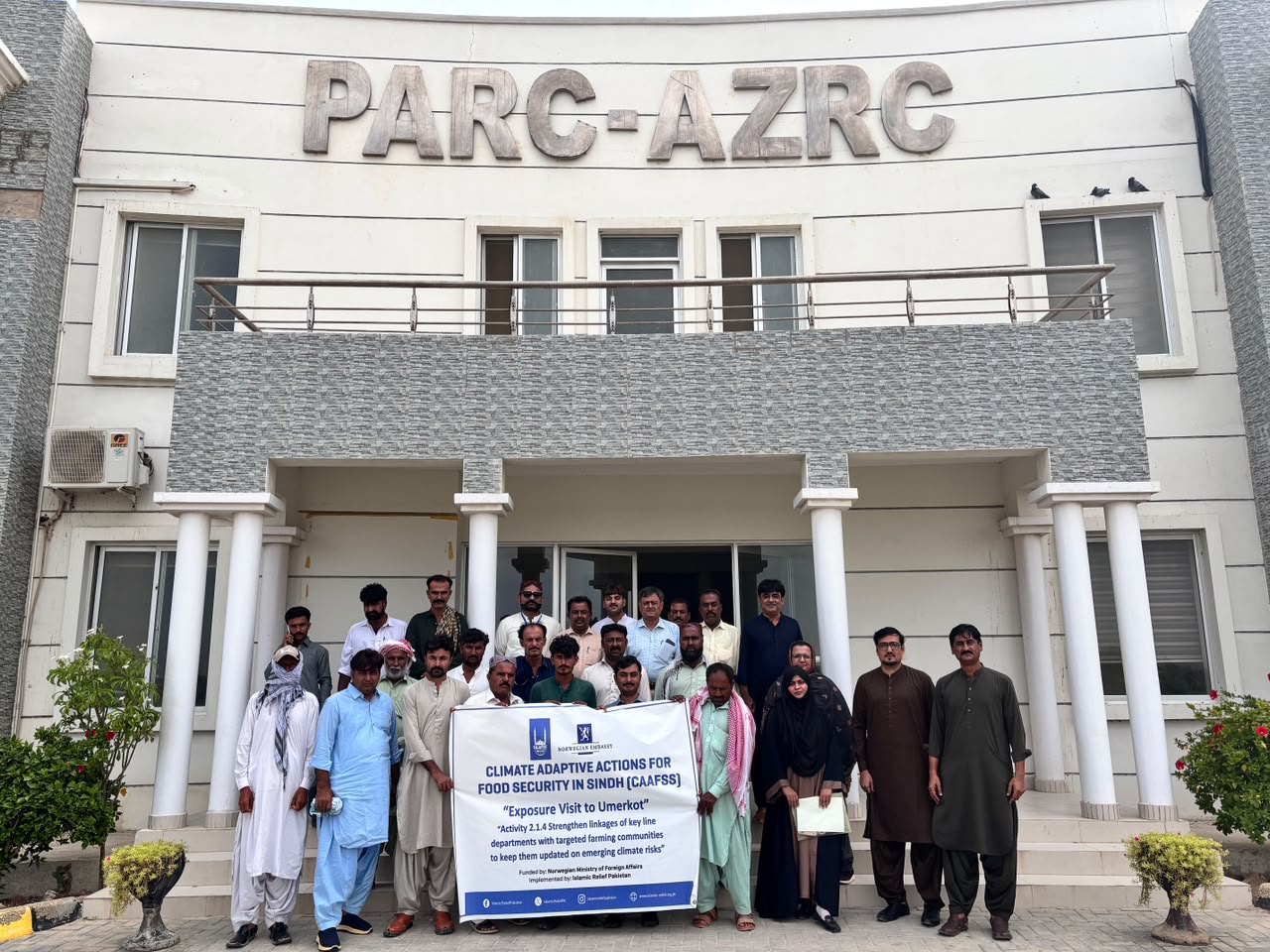
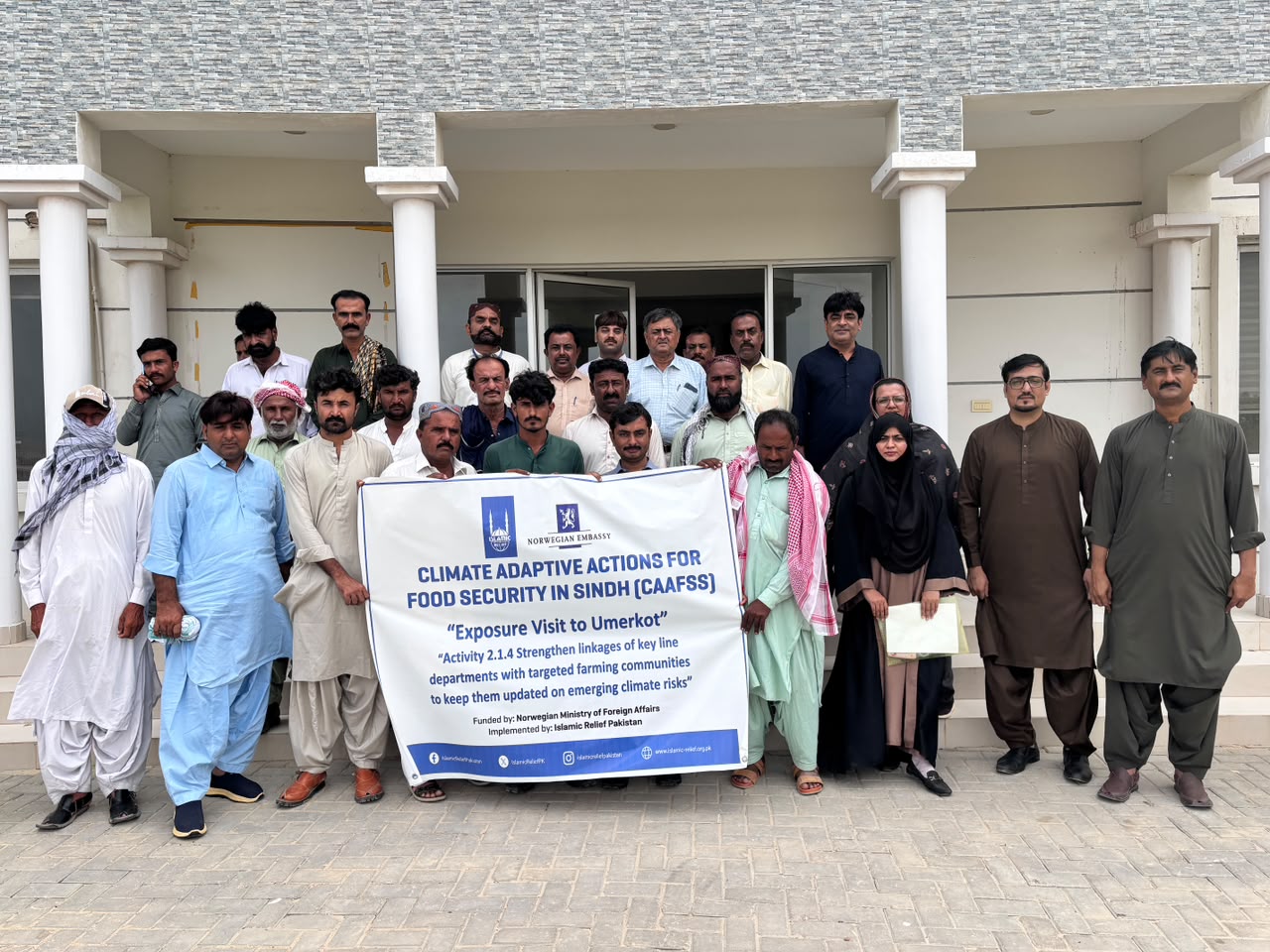
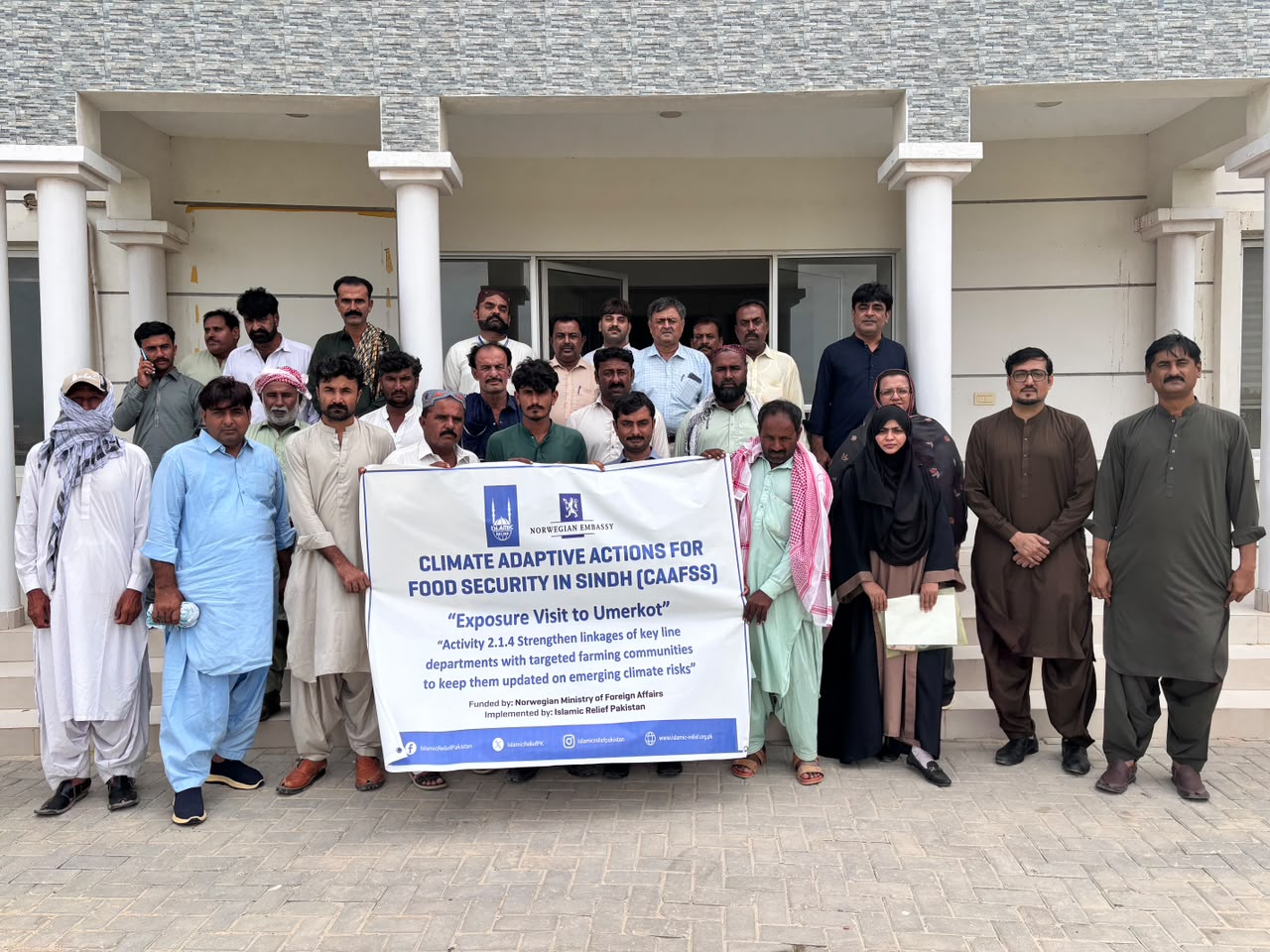
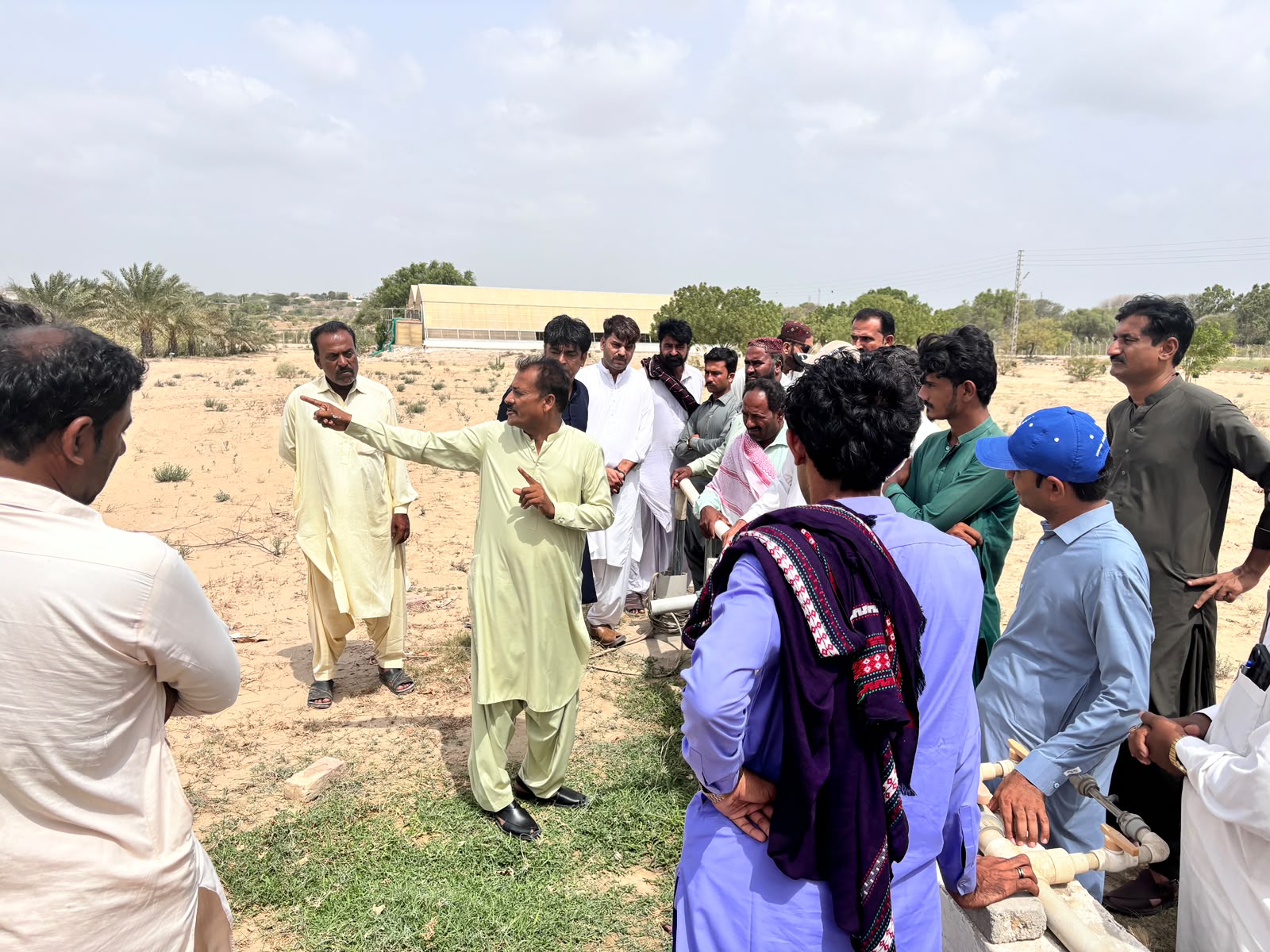
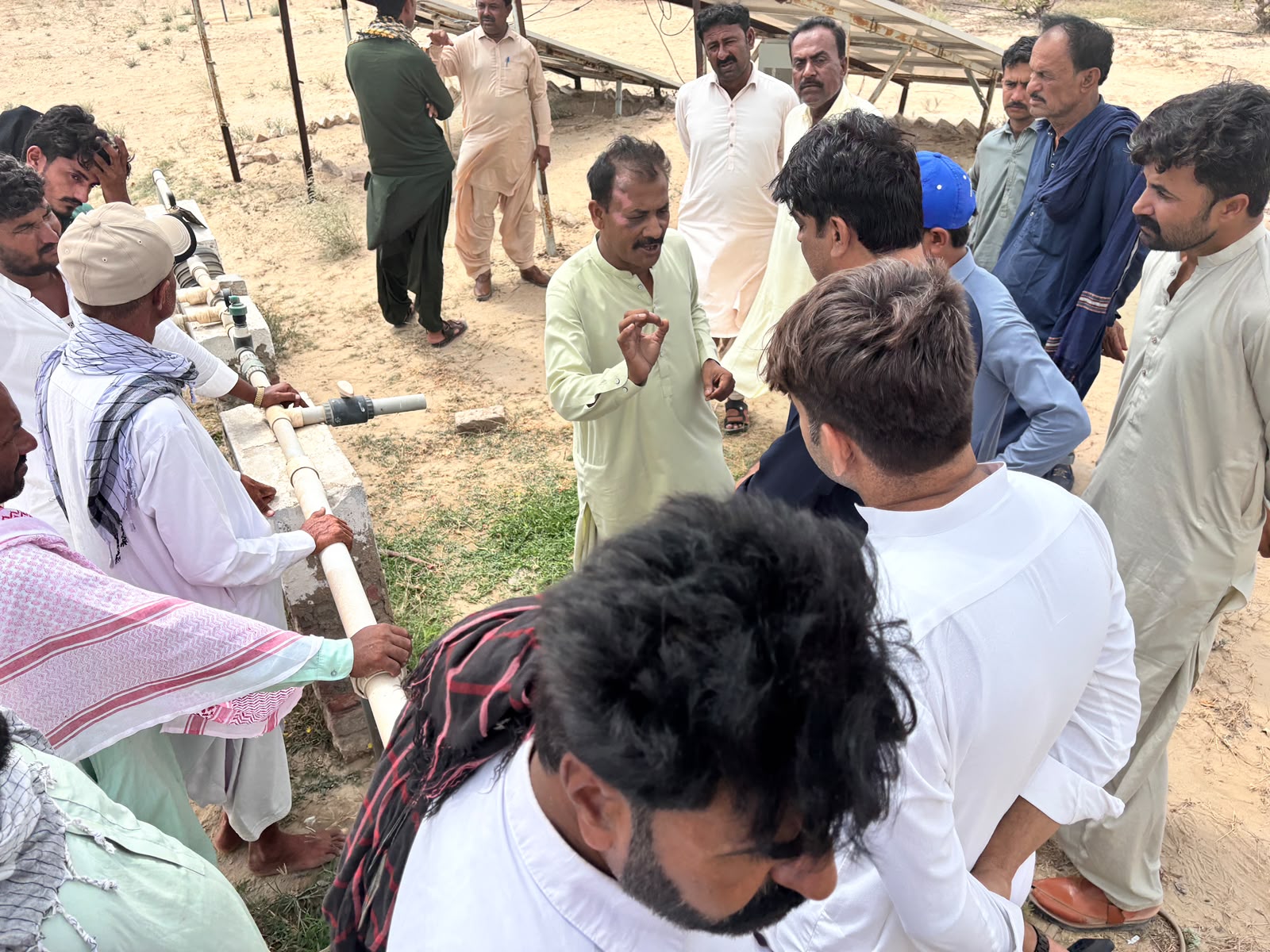
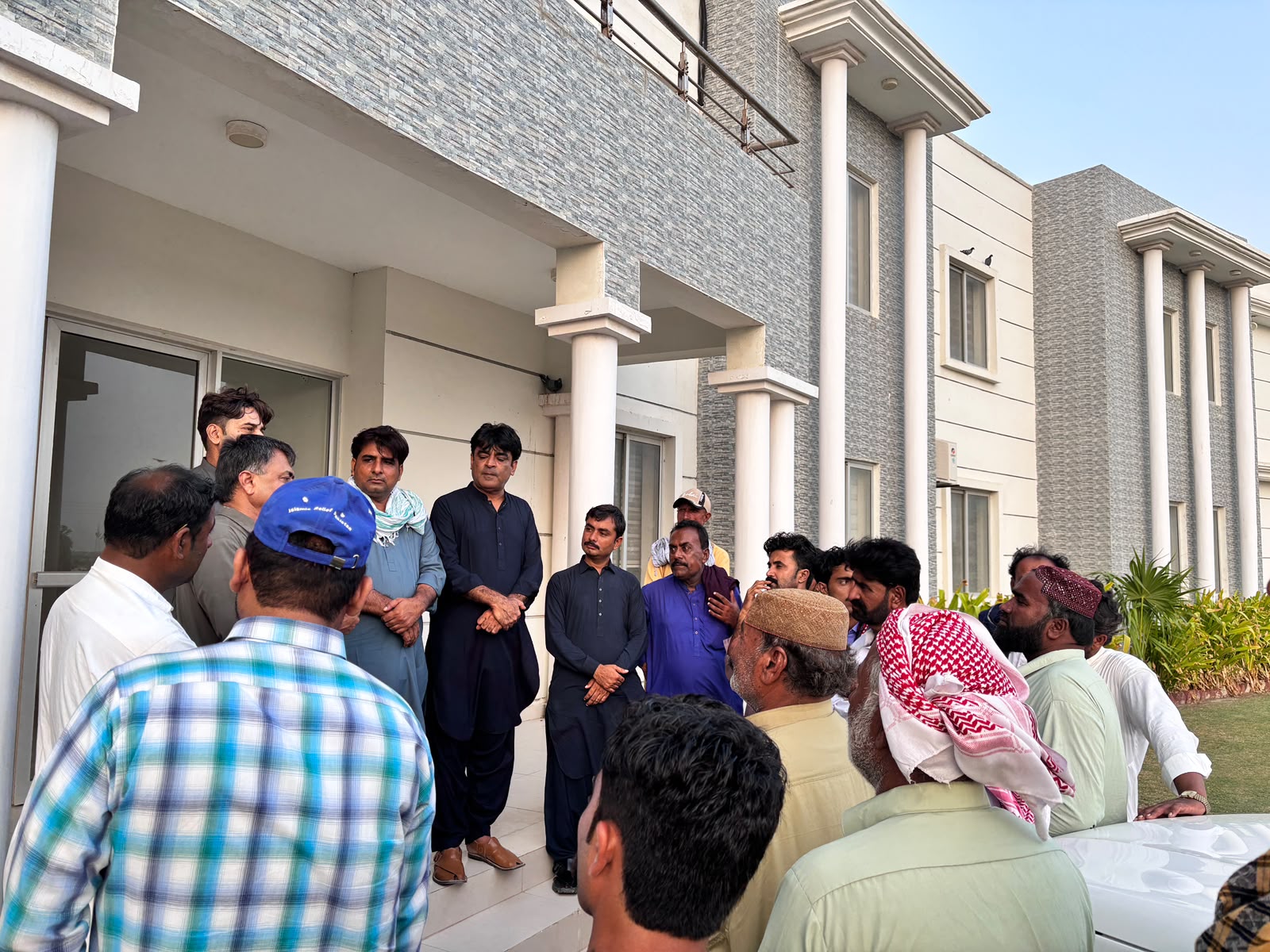
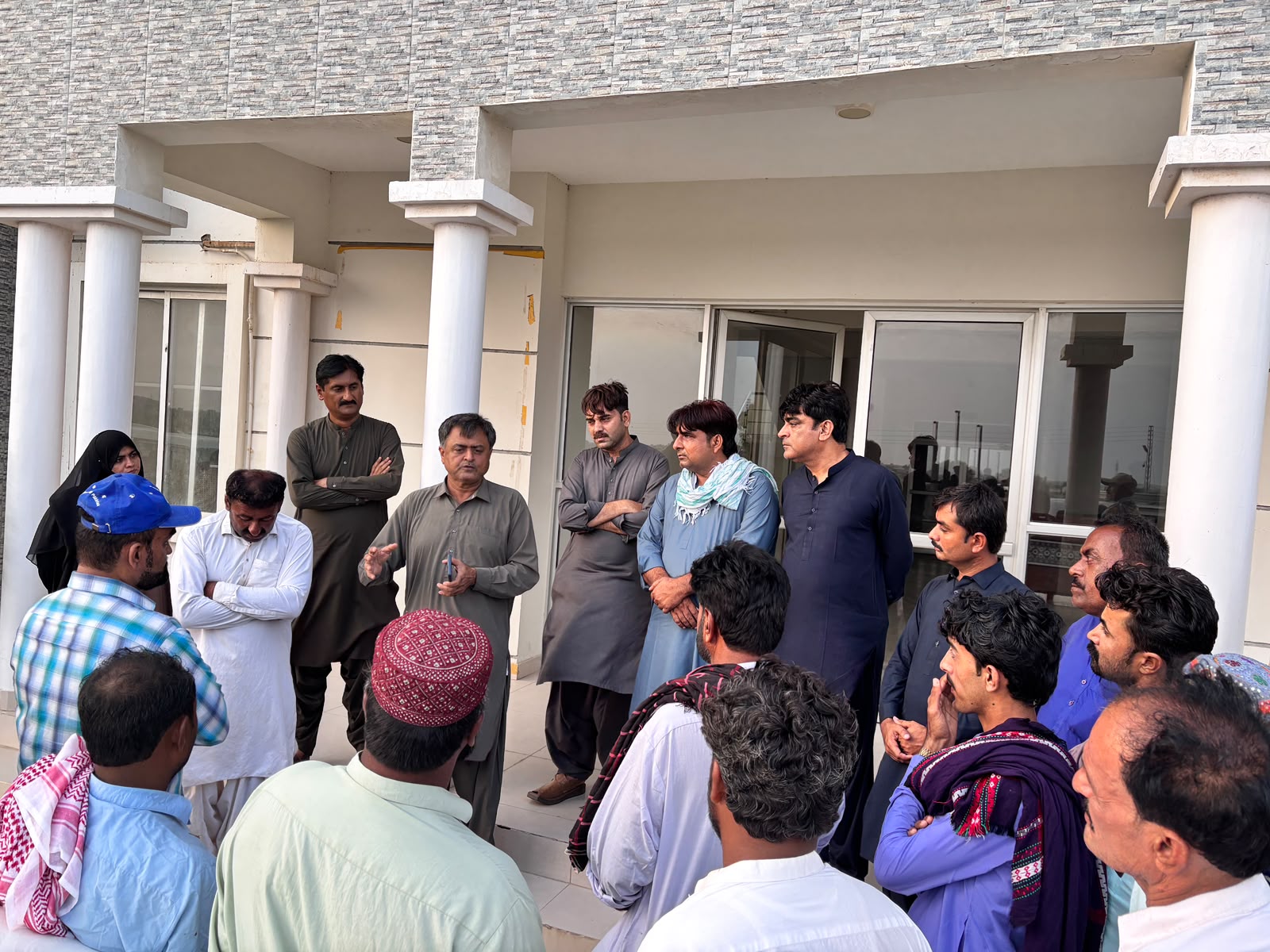
Islamic Relief Pakistan, under its CAAFSS Project, organized an exposure visit for 16 smallholder farmers and field staff from Union Council Mohal and Union Council Khaggan, District Thatta, to the Arid Zone Research Center (AZRC), Pakistan Agricultural Research Council (PARC), Umerkot. During the visit, participants received practical knowledge on modern agricultural research, climate-smart farming practices, horticulture, livestock management, renewable energy, and agricultural technologies suitable for arid and drought-prone regions. 🌿 Highlights of the Exposure Visit: ✅ Introduction to improved and climate-resilient seed varieties ✅ Visits to date palm, guava, jujube (ber), and sapodilla (chikoo) orchards ✅ Demonstration of protected cultivation through walk-in tunnel technology ✅ Solar dryer technology for preserving fruits and vegetables ✅ Awareness on the conservation and improvement of the indigenous Thari livestock breed ✅ Visit to a biogas plant and practical learning on the use of renewable energy The farmers actively interacted with research experts, shared their experiences, asked questions, and gained valuable insights into modern agricultural practices. Participants expressed their commitment to adopting the knowledge and technologies learned during the visit to improve agricultural productivity, increase household income, and promote sustainable livelihoods in their communities. 🌾 This exposure visit significantly enhanced the farmers' knowledge, confidence, and capacity to adopt innovative agricultural technologies while strengthening collaboration and linkages between farming communities and agricultural research institutions. At the conclusion of the visit, the Islamic Relief Pakistan team and all participating farmers extended their heartfelt gratitude to Mr. Muhammad Siddique, Dr. Zahid Mangrio, Mr. Bahari Lal, and the entire staff of AZRC, PARC Umerkot for their warm hospitality, technical guidance, and valuable support in promoting sustainable agriculture.
Gallery Information
- Event Date: July 14, 2026
- Photos: 19